How Long Does It Take Mold to Grow After Storm Damage?
How Long Does It Take Mold to Grow After Storm Damage?
How Long Does It Take Mold to Grow After Storm Damage?
Jul 21, 2026Mold damage
Storm damage doesn’t end when the rain stops. In fact, one of the most serious consequences often begins quietly in the hours and days that follow: mold growth. Many homeowners are surprised to learn just how fast mold can develop after water intrusion—and how quickly it can spread throughout a property if not handled properly.Understanding the timeline of mold growth after storm damage is critical for protecting your home, your health, and your wallet.
Mold Can Start Growing in as Little as 24–48 Hours
Under the right conditions, mold can begin forming within just one to two days after storm-related water damage. All it needs is moisture, organic material (like wood, drywall, or carpet), and a warm environment.After a storm, these conditions are often everywhere:
Roof leaks soaking insulation and drywall
Floodwater saturating flooring and subfloors
Humidity trapped inside closed spaces
Wet furniture, carpets, and baseboards
Once moisture is present, mold spores—already naturally in the air—can quickly activate and begin growing.
Why Storm Damage Accelerates Mold Growth
Storms create the perfect environment for rapid mold development because they often introduce large amounts of water in a short time. Unlike a small leak, storm damage typically affects multiple areas at once, making it harder for moisture to dry on its own.Key factors that speed up mold growth after storms include:
Standing water or flooding
Poor ventilation in affected rooms
High humidity levels
Delayed cleanup or drying
Hidden moisture inside walls or flooring
Even if surfaces look dry, moisture trapped inside building materials can continue feeding mold growth behind the scenes.
Hidden Mold Is the Biggest Risk
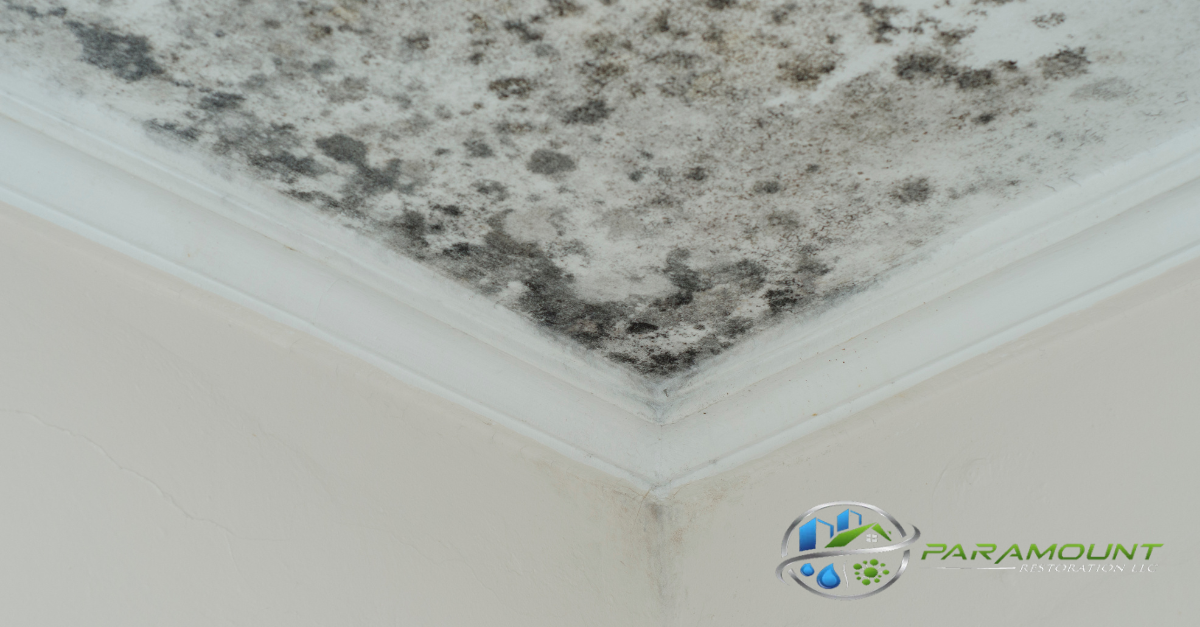
One of the most dangerous aspects of post-storm mold growth is that it often isn’t visible at first. Mold can grow behind drywall, under carpets, inside insulation, and in HVAC systems long before you ever see signs on the surface.By the time visible mold appears, the problem is often much more widespread than expected.Common early warning signs include:
Musty or damp odors
Increased allergy or respiratory symptoms
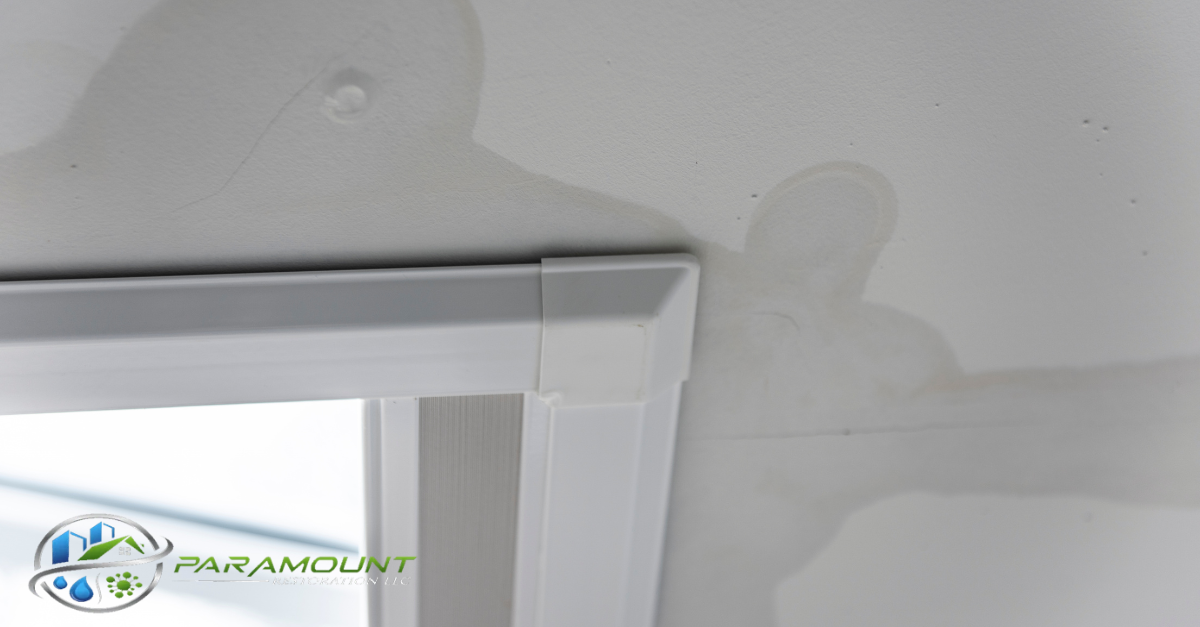
Discoloration on walls or ceilings
Persistent humidity or condensation indoors
Why Fast Action Matters
The longer moisture remains in your home, the higher the risk of mold spreading. After 48–72 hours, affected materials may already require removal rather than simple drying. After several days, mold colonies can become deeply embedded in porous surfaces.Quick professional response can often:
Stop mold before it spreads
Save structural materials from damage
Reduce restoration costs
Protect indoor air quality
Professional Drying Makes the Difference
Proper water extraction and drying require more than fans and open windows. Restoration professionals use specialized equipment such as:
Industrial dehumidifiers
Air movers
Moisture meters
Thermal imaging tools
These tools ensure that hidden moisture is fully identified and removed before mold can take hold.
How Paramount Restoration Helps
At Paramount Restoration, we respond quickly to storm damage emergencies with full water mitigation, moisture detection, and mold prevention strategies. Our goal is not just to clean up visible damage—but to stop hidden problems before they grow.We help homeowners and property managers:
Detect hidden moisture
Prevent mold growth early
Restore damaged areas safely
Protect indoor air quality
Mold can begin growing within 24–48 hours after storm damage, making fast response critical. Even if your home looks dry, hidden moisture can still create long-term issues if not professionally addressed.⛈️ Don’t wait for mold to appear—by then, it may already be too late. 👉 Visit prdry.com or call 859-525-2379 for fast storm damage and mold prevention services.