Beyond the Visible Damage: Hidden Problems Storms Leave Behind
Beyond the Visible Damage: Hidden Problems Storms Leave Behind
Beyond the Visible Damage: Hidden Problems Storms Leave Behind
Jun 23, 2026Storm damage
Storms can leave obvious destruction behind—fallen trees, damaged roofs, broken siding, or flooded basements. But some of the most serious storm-related problems are the ones homeowners can’t immediately see. Hidden moisture, structural weakening, mold growth, and electrical hazards often develop quietly after severe weather, leading to expensive repairs and long-term health concerns if left untreated.Understanding the hidden damage storms leave behind can help homeowners act quickly and protect both their property and their families.
Water Damage Behind Walls
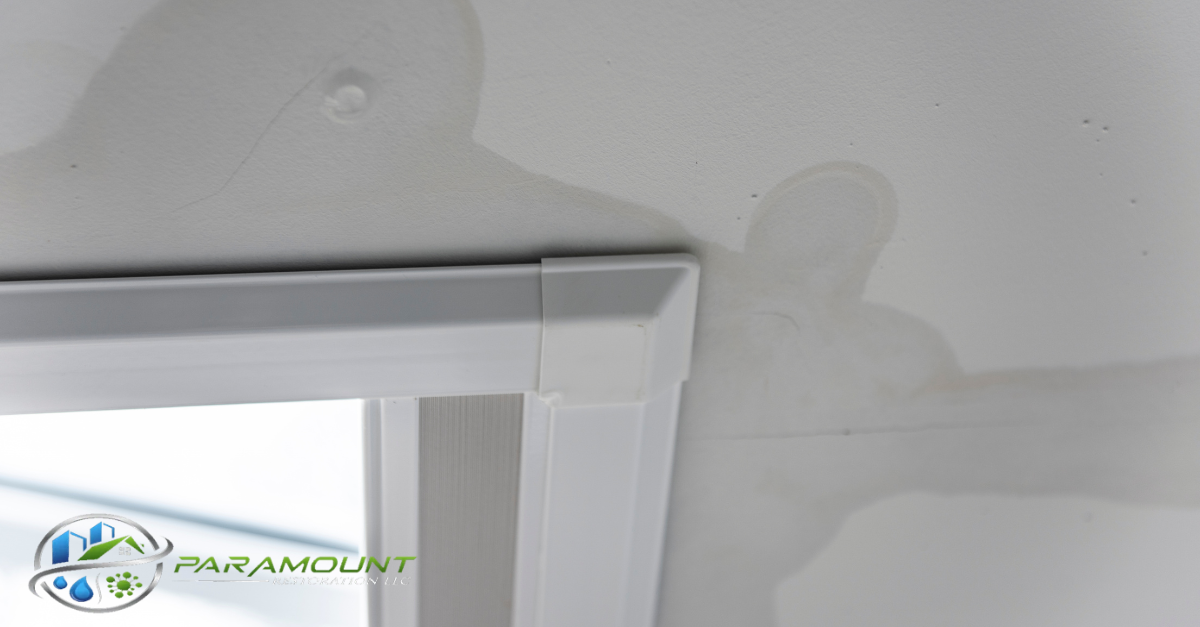
After heavy rain or roof damage, water can seep behind drywall, insulation, and flooring without creating immediate visible stains. Many homeowners assume their property is safe because surfaces appear dry, but trapped moisture can remain hidden for days or even weeks.Over time, this hidden moisture can:
Weaken wood framing and structural materials
Cause drywall and insulation to deteriorate
Lead to warped flooring and baseboards
Create the perfect environment for mold growth
Professional moisture detection tools are often needed to identify water hiding inside walls and under floors before major damage occurs.
Mold Growth Can Start Fast
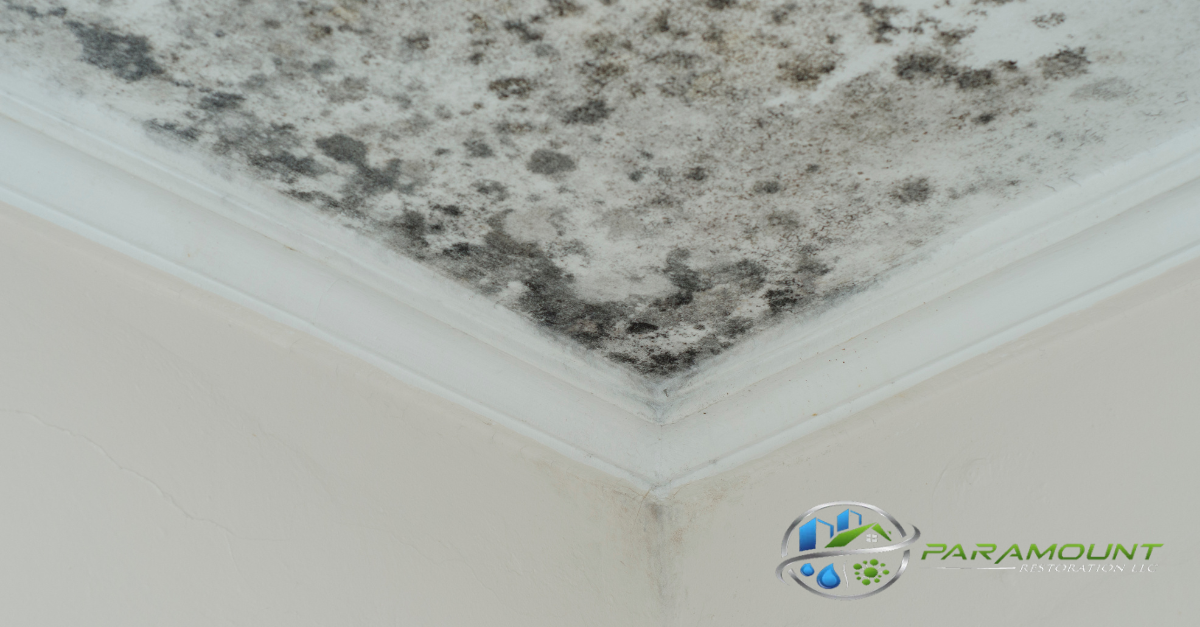
One of the biggest hidden dangers after storm damage is mold. Mold can begin growing within 24–48 hours after moisture exposure, especially in warm, humid environments.Because mold often grows in hidden spaces like attics, crawl spaces, ductwork, and wall cavities, homeowners may not notice it until symptoms appear, including:
Musty odors
Allergy flare-ups
Headaches or respiratory irritation
Visible discoloration on walls or ceilings
Without proper remediation, mold can continue spreading long after the storm has passed.
Roofing Damage Isn’t Always Obvious
Even if your roof looks intact from the ground, storms can loosen shingles, damage flashing, or create small punctures that allow water intrusion over time. Minor roof damage can slowly lead to leaks, ceiling stains, insulation damage, and hidden mold issues months later.A professional inspection after severe weather can help identify roofing problems early before they become costly repairs.
Electrical and Safety Hazards
Storm damage can also create hidden electrical risks. Water intrusion near outlets, wiring, breaker panels, or HVAC systems can increase the risk of:
Electrical fires
Short circuits
Power failures
Shock hazards
If your property experiences flooding or roof leaks near electrical systems, it’s important to have professionals assess the damage before continuing normal use.
Structural Weakness After Storms
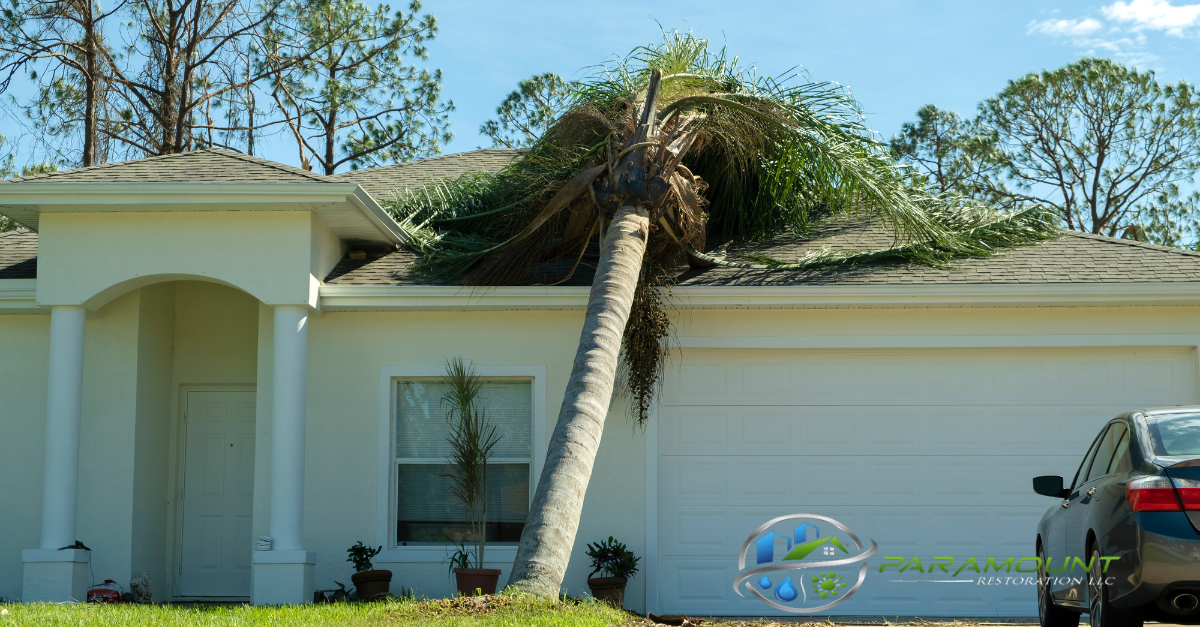
Heavy rain, flooding, and fallen trees can compromise your home’s structure in ways that may not be immediately visible. Saturated wood, weakened support beams, and foundation movement can worsen over time if left untreated.Warning signs may include:
Cracks in walls or ceilings
Doors and windows sticking
Uneven floors
Sagging ceilings or soft spots
Fast professional mitigation helps prevent further deterioration and protects the integrity of your home.
Why Professional Inspections Matter
After a storm, it’s easy to focus only on visible cleanup. However, hidden damage is often where the biggest problems begin. Professional restoration teams use advanced moisture meters, thermal imaging, and inspection tools to uncover issues homeowners may miss.At Paramount Restoration, we provide fast emergency response, storm damage restoration, water mitigation, mold remediation, and thorough inspections to help homeowners recover safely and completely.⛈️ Storm damage isn’t always visible — but hidden problems can become costly fast. 👉 Visit prdry.com or call 859-525-2379 for expert storm damage restoration and inspections.