Storm Season & Insurance Claims: What Homeowners Need to Know
Storm Season & Insurance Claims: What Homeowners Need to Know
Storm Season & Insurance Claims: What Homeowners Need to Know
Jun 4, 2026Storm damage
Storm season can bring sudden and unexpected damage to your home, from roof leaks and flooding to fallen trees and structural issues. While homeowners often focus on the physical damage after a storm, many are unprepared for the insurance claims process that follows. Understanding how storm damage claims work — and what steps to take immediately after a storm — can help protect your property, reduce stress, and maximize your insurance coverage.
Document Damage Immediately
After a storm passes and it’s safe to assess your property, documentation is one of the most important steps you can take. Take clear photos and videos of all visible damage, including:
Roof damage or missing shingles
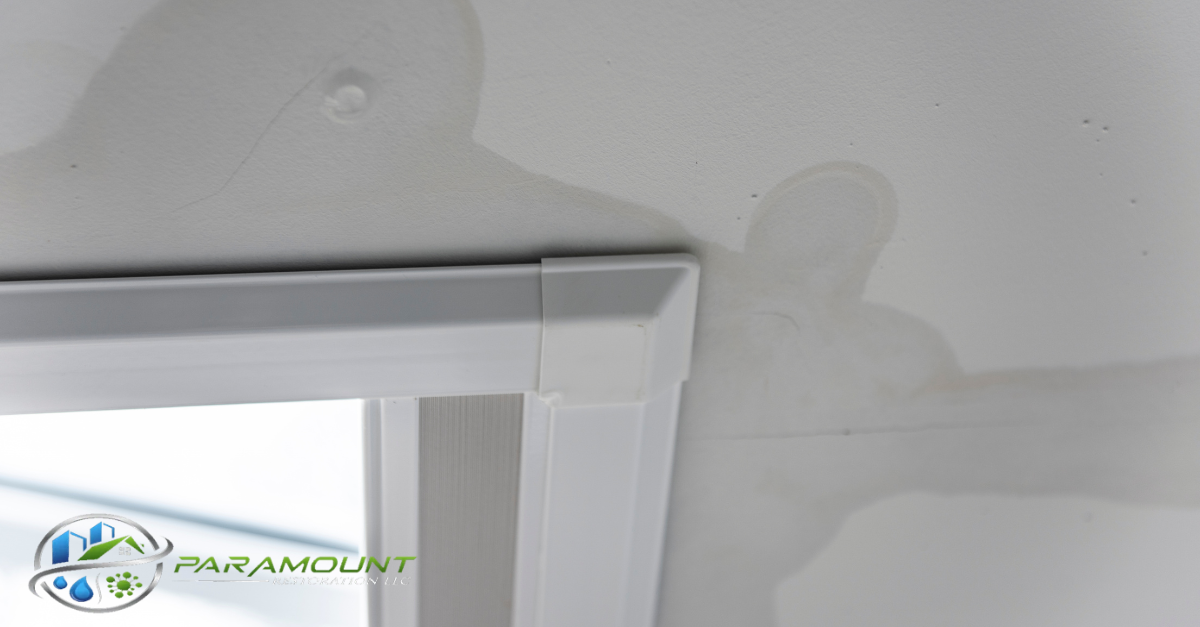
Water intrusion or flooding
Broken windows or siding
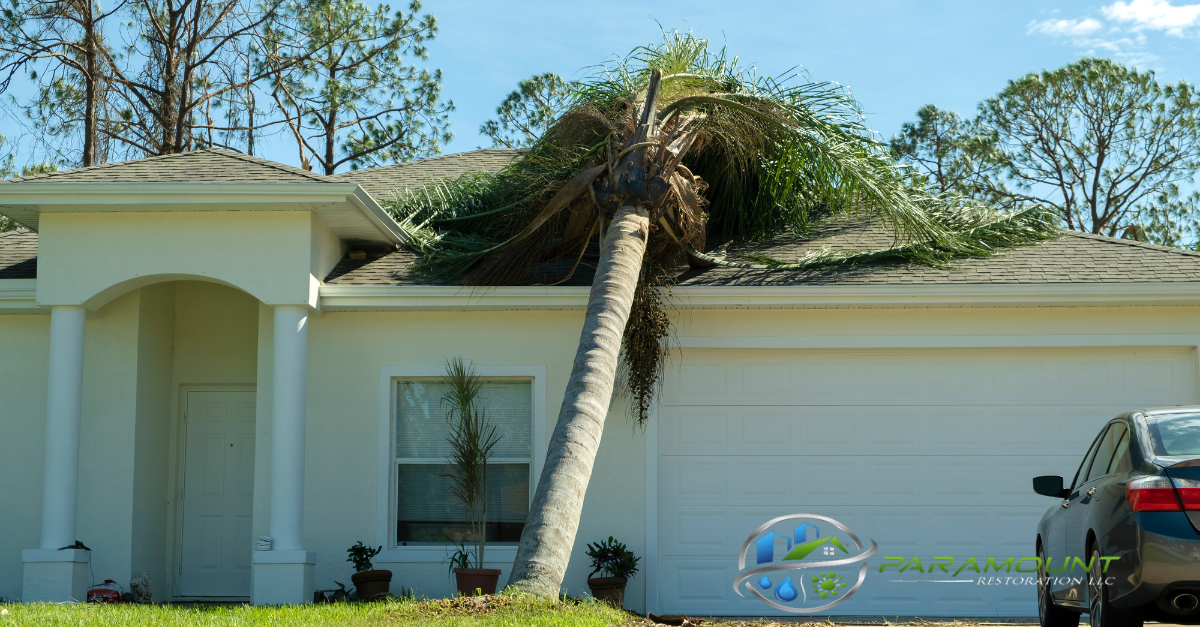
Fallen trees or debris
Damaged personal belongings
The more evidence you provide, the smoother the claims process will often be. Keep records of emergency repairs, invoices, and communication with your insurance company.
Why Fast Response Matters
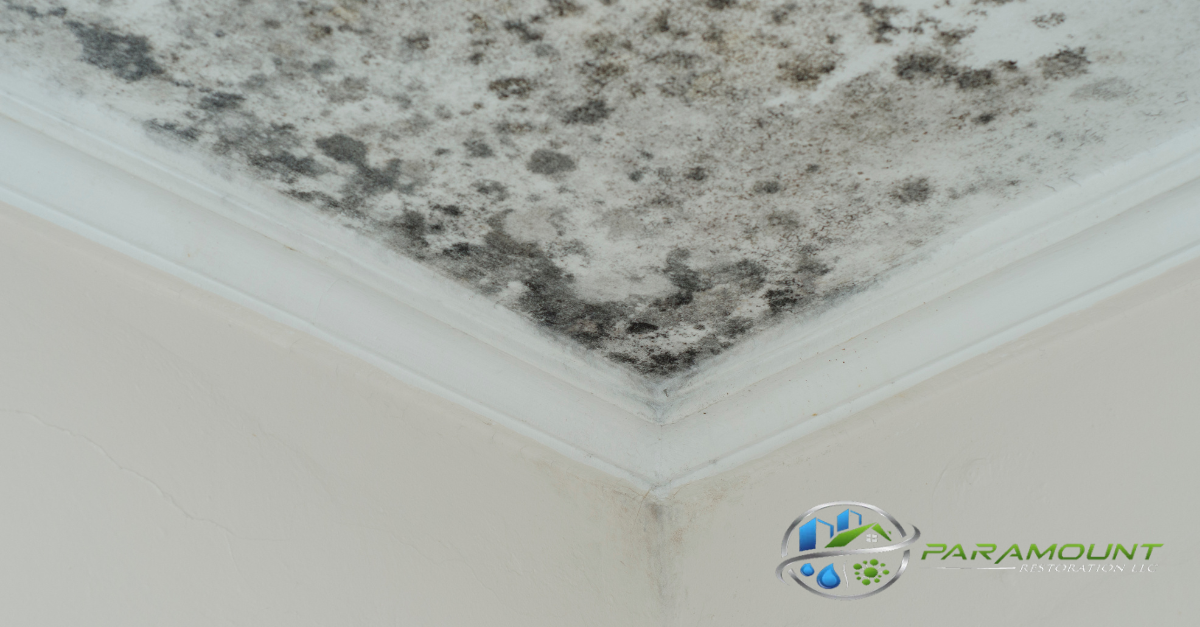
One of the biggest mistakes homeowners make after storm damage is waiting too long to act. Water intrusion can spread quickly behind walls, under flooring, and into insulation. Within 24–48 hours, moisture can lead to mold growth and additional structural damage.Insurance companies also expect homeowners to take reasonable steps to prevent further damage after a storm. Fast mitigation services like water extraction, roof tarping, and debris removal can help protect your claim while minimizing repair costs.At Paramount Restoration, our emergency response team acts quickly to secure your property, prevent additional damage, and begin the restoration process immediately.
Understand What Your Policy Covers
Not all storm damage is treated the same under insurance policies. Coverage may vary depending on:
Flooding vs. water intrusion from roof damage
Wind and hail damage
Mold resulting from untreated water damage
Sewer backups or drainage issues
Many homeowners are surprised to learn that flood damage often requires separate coverage. Reviewing your policy before storm season can help you avoid unexpected surprises later.
Professional Documentation Helps Your Claim
Working with a professional restoration company can make the insurance process much easier. Restoration experts provide:
Moisture readings and damage assessments
Detailed documentation for adjusters
Photos and reports
Emergency mitigation records
Repair estimates and restoration plans
This documentation helps demonstrate the full extent of the damage and supports your claim throughout the process.
Hidden Storm Damage Is Common
Not all storm damage is immediately visible. Water can seep into attics, crawl spaces, insulation, and wall cavities long before stains or mold appear. Even minor roof damage can create hidden moisture issues that worsen over time.Professional inspections after severe weather can identify hidden damage early and help prevent expensive long-term repairs.
Protect Your Home Before the Next Storm
Preparation is just as important as response. Homeowners should:
Inspect roofs and gutters regularly
Trim trees near the home
Check drainage systems
Know who to call in an emergency
When storms strike, having a trusted restoration team ready can make all the difference.At Paramount Restoration, we provide fast emergency response, storm damage restoration, water mitigation, mold remediation, and insurance claim support to help homeowners recover quickly and safely.⛈️ Don’t wait for storm damage to get worse. 👉 Visit prdry.com or call 859-525-2379 for fast professional help.