Water Emergency? Available 24/7 Call Us Now! 859-525-2379

Water Emergency? Available 24/7 Call Us Now! 859-525-2379


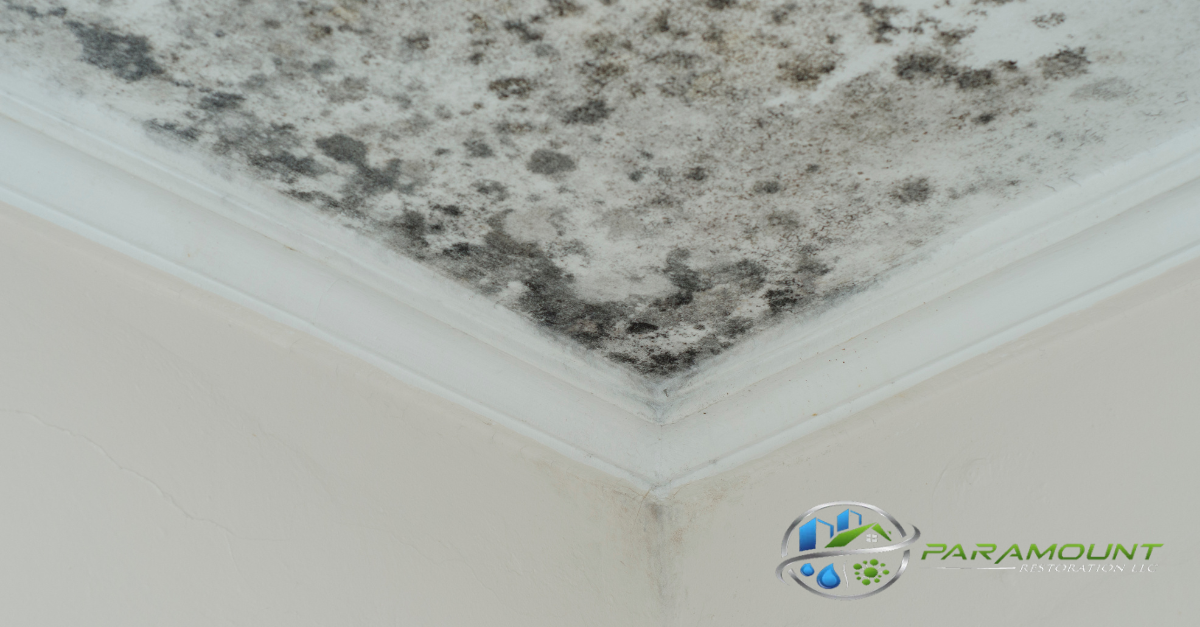
Mold is one of the most common — and most underestimated — threats inside a home. It grows quietly, spreads quickly, and often goes unnoticed until it becomes a major problem. While many homeowners assume mold is simply an eyesore, the truth is far more serious: mold can impact your health, damage your home’s structure, and cost thousands of dollars in repairs if left untreated.
Understanding the early warning signs and knowing when to call a professional can make all the difference in keeping your home safe and healthy. Below is what every homeowner needs to know.
Mold doesn’t always appear in obvious places. In fact, some of the most dangerous infestations are the ones you can’t see. Here are the most common early indicators:
If you smell a persistent musty odor — especially in bathrooms, basements, crawl spaces, or near vents — that’s one of the strongest signs that mold is growing behind walls, under flooring, or inside ductwork. Mold releases gases as it spreads, and these odors are often the first clue.
If household members experience symptoms that improve when they leave the home and return once inside, mold may be the culprit. Watch for:
Sneezing
Itchy, watery eyes
Coughing or wheezing
Nasal congestion
Headaches
People with asthma or weakened immune systems may have more intense reactions.
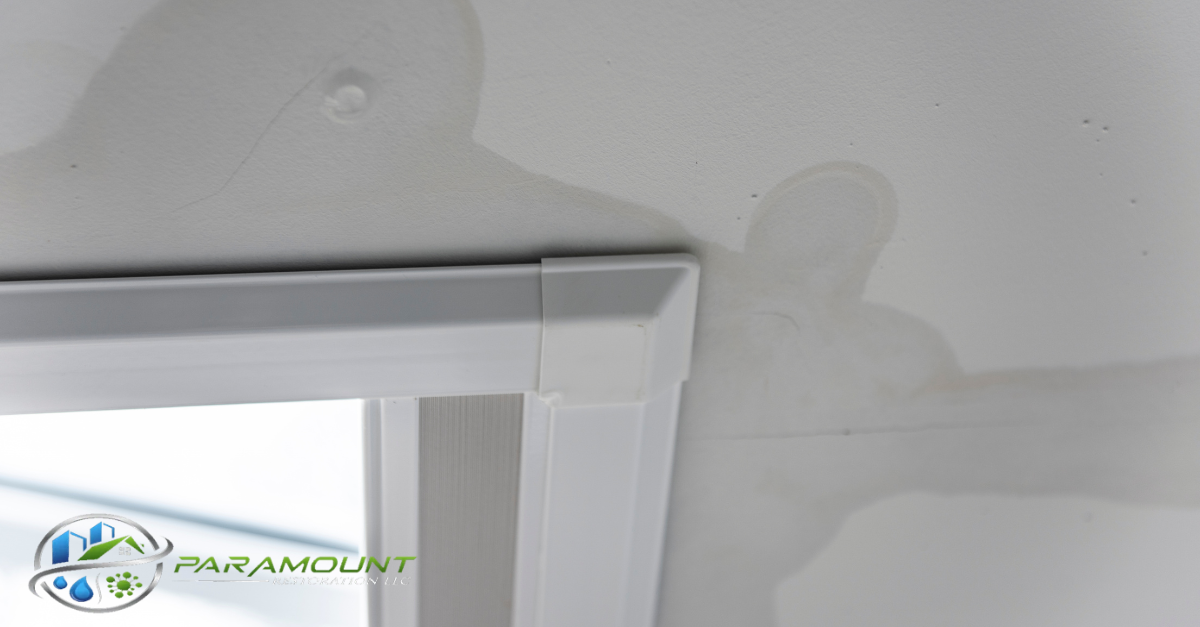
Stains, bubbling paint, peeling wallpaper, or dark patches are often signs of moisture intrusion. Even if the discoloration isn’t visibly fuzzy like typical mold, moisture behind the wall can support a hidden mold colony.
If your home has had a leak, roof issue, burst pipe, or flooding, mold can begin growing within 24–48 hours. High humidity above 60% also creates ideal conditions.
Many homeowners believe mold can be handled with a bit of bleach and elbow grease. Unfortunately, that’s not the case — and attempted DIY cleanup often makes the infestation worse.
Scrubbing or wiping mold releases millions of microscopic spores into the air, allowing it to spread into new rooms or deeper into walls and ventilation systems.
Bleach may lighten the stain, but it does not penetrate porous materials like drywall, wood, or insulation. Mold will regrow — often stronger than before.
The majority of mold isn’t visible. It spreads inside:
Wall cavities
HVAC systems
Under carpets and padding
Behind cabinets
Inside attics and crawl spaces
Without professional equipment such as moisture meters, thermal imaging, and air-quality sampling, homeowners cannot accurately assess the full extent of the problem.
Without proper containment, filtration, and protective gear, airborne spores can cause:
Severe allergy flare-ups
Asthma attacks
Respiratory infections
Skin irritation
Long-term breathing problems
This is especially dangerous for children, seniors, and anyone with existing respiratory conditions.
Certified mold remediation specialists follow strict protocols to ensure the mold is completely removed — not just covered up. Here’s what professional treatment offers that DIY cannot:
Professionals identify contamination levels, locate hidden moisture sources, and confirm whether mold spores are circulating through your home’s air. This is crucial for preventing regrowth.
Experts use negative air chambers, HEPA filtration, and sealed work zones to prevent mold from spreading during cleanup.
Professionals remove affected materials, treat surfaces with antimicrobial solutions, and thoroughly sanitize the area. They also address underlying causes, such as leaks or ventilation issues.
A reputable restoration company not only removes mold but also repairs what was damaged — ensuring your home is restored to safe, livable condition with long-term prevention strategies in place.
Long-term mold exposure can lead to serious and persistent health complications, including:
Chronic sinus infections
Breathing difficulties
Increased asthma severity
Skin rashes
Fatigue
Persistent headaches
Immune system suppression
For families with infants, older adults, or anyone with allergies, mold exposure can significantly reduce quality of life. Removing mold promptly isn’t just a home maintenance task — it’s a health priority.
You should contact a certified mold remediation company if:
You smell mold, but cannot see it
Water damage occurred within the past 48 hours
You’re experiencing mold-related symptoms
The impacted area is larger than a small patch
Discoloration spreads or returns after cleaning
You see mold in HVAC vents or around ductwork
Early intervention prevents major structural issues and expensive repairs.
Mold is more than a nuisance — it’s a serious threat to your home and health. Understanding the early warning signs and acting quickly can protect your family from long-term damage. When in doubt, always call a professional. They have the tools, training, and expertise to safely remove mold and restore your home to a clean, healthy environment.





Feel free to reach out anytime, day or night, to discuss your restoration needs. Get the support you deserve.