Water Emergency? Available 24/7 Call Us Now! 859-525-2379

Water Emergency? Available 24/7 Call Us Now! 859-525-2379

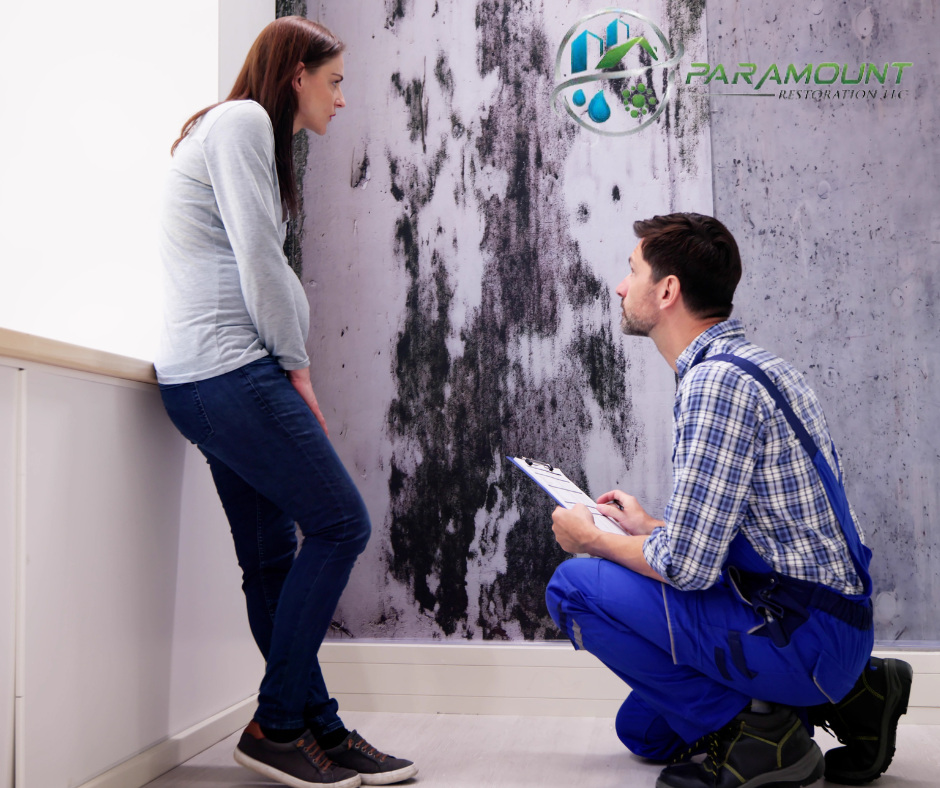
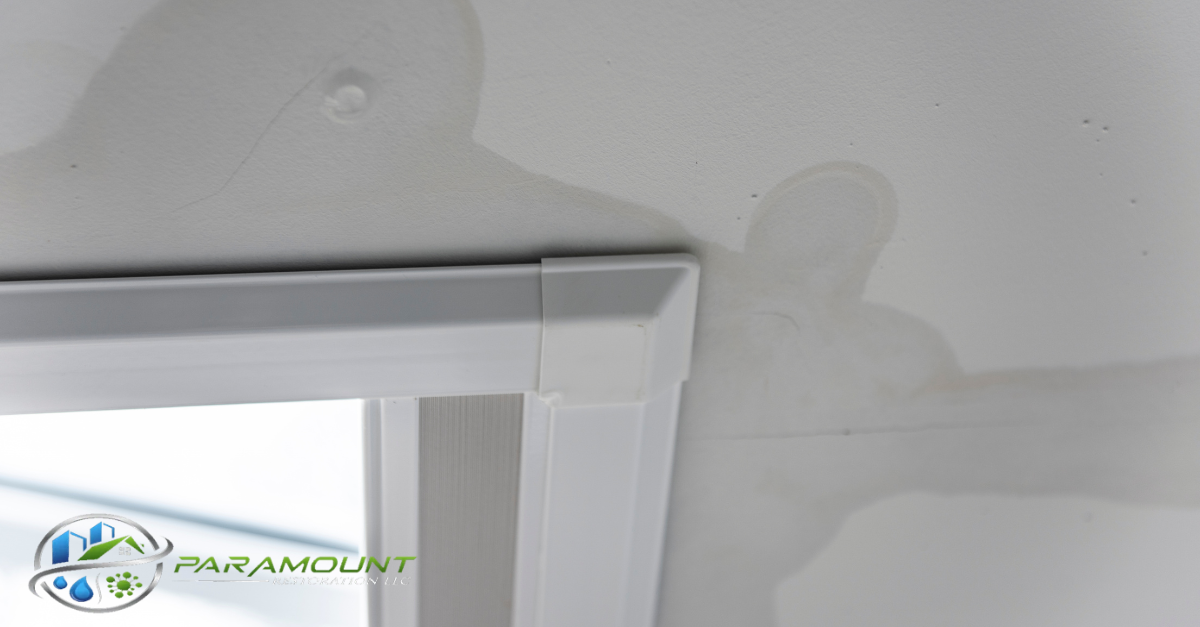
Water damage strikes fast—and if you don’t act faster, the long-term consequences can be severe. From hidden mold growth to structural issues and ruined possessions, the aftermath of water intrusion isn’t something to take lightly.
Whether it’s from a burst pipe, storm flooding, or a leaking appliance, knowing what to do in the first few hours after water damage can make the difference between a quick fix and a costly disaster.
Here’s your go-to emergency checklist—and why calling a professional water remediation team like ours is the smartest move you can make.
Before anything else, make sure you and your family are safe.
Turn off electricity in affected areas if it’s safe to do so.
Avoid standing water if electrical outlets or cords are submerged.
If the water is from a sewage backup or contaminated source, evacuate the area immediately.
Never take unnecessary risks—especially when electricity, contaminated water, or structural damage could be present. Safety first, always.
If the water damage is caused by a plumbing failure—like a burst pipe or overflowing appliance—locate the shut-off valve and turn it off immediately.
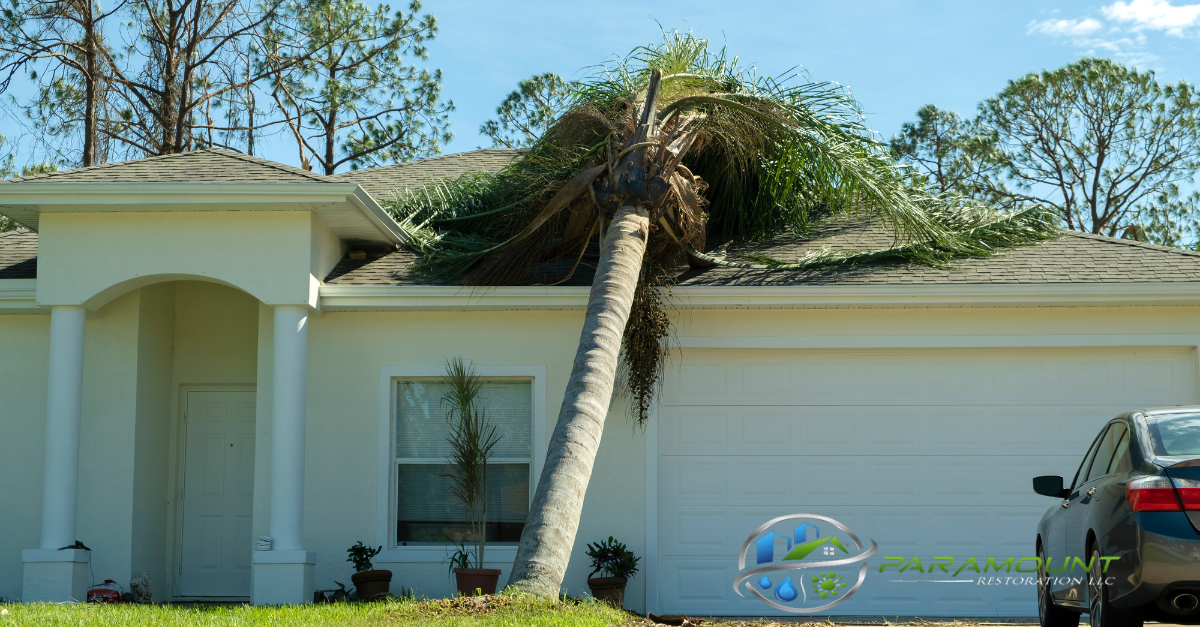
For more extensive flooding (such as from a storm), you may need to wait for the weather to clear or call in city services. Either way, stopping the flow of water is the first step toward limiting the damage.
Pro Tip: Keep a labeled map of shut-off valves in your home’s emergency binder. It can save precious time.
Time is critical. Within 24 to 48 hours, water can begin to promote mold growth and compromise the structure of your home.
A professional water remediation team like ours can:
Assess the full extent of the damage (including behind walls and under floors)
Remove standing water quickly with commercial-grade equipment
Begin drying and dehumidifying affected areas
Prevent mold, mildew, and further damage
Document the damage for insurance purposes
Trying to clean it up on your own—especially with only household tools—almost always leaves behind hidden moisture and future problems. A proper restoration requires thermal imaging, moisture meters, and industrial-strength drying tools.
Before cleanup begins (and only if it’s safe), take photos and videos of all affected areas and belongings. This visual documentation is crucial for filing an insurance claim.
Here’s what to capture:
Wide shots of each room
Close-ups of damaged furniture, electronics, flooring, or drywall
Any standing water or leaking sources
Your water shutoff or emergency efforts
Also, make note of the time the damage occurred, when you discovered it, and any professional services you’ve contacted. Keep receipts for any expenses related to cleanup or temporary lodging.
Your water remediation company can also assist with this step by providing detailed reports and invoices required for your insurance provider.
Once the water has been removed, the real work begins: drying out and sanitizing every affected surface to prevent mold and long-term deterioration.
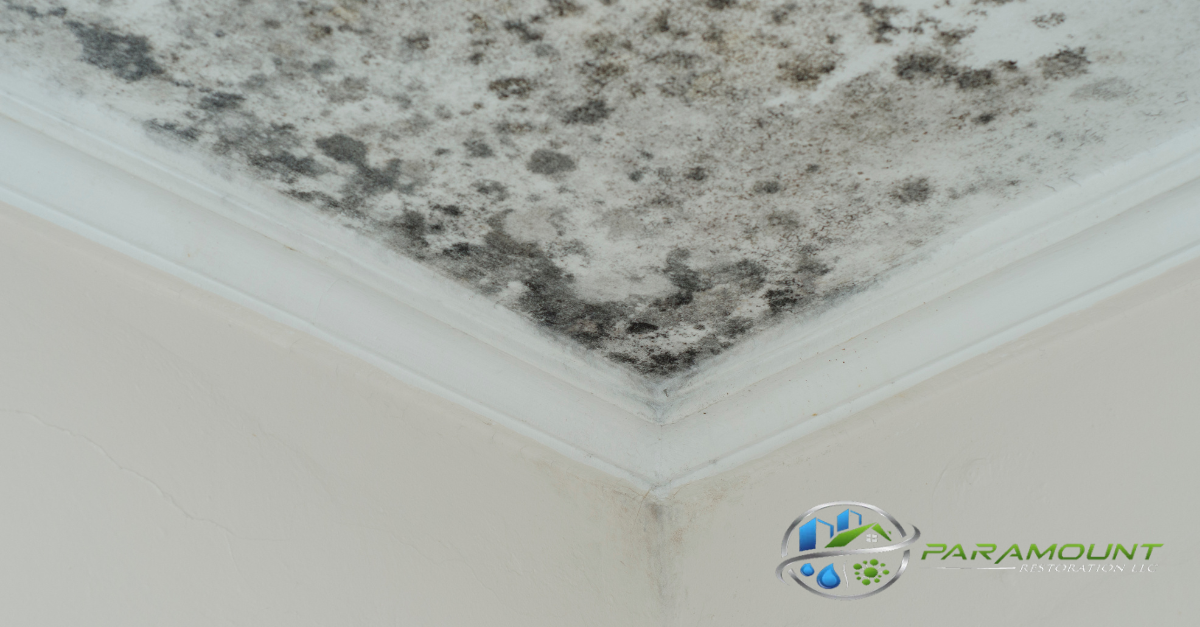
Mold can begin to grow within 24–48 hours and can spread through HVAC systems, walls, and subfloors. This is where professional-grade drying and HEPA filtration equipment becomes essential.
Without full remediation, you risk:
Toxic mold exposure (linked to allergies, asthma, and other health issues)
Wood rot and structural weakening
Insulation damage
Lingering odors and moisture damage
A professional team will monitor moisture levels daily, identify hidden damp zones, and ensure your property is thoroughly sanitized and safe before rebuilding begins.
Even with a wet/dry vacuum and some fans, you won’t get the deep moisture that seeps into walls, insulation, and subfloors. Many homeowners assume the problem is fixed because things “look” dry—but within weeks, the smell of mold and mildew creeps in, and drywall begins to crumble.
Here’s why professionals are essential:
We use commercial dehumidifiers, air movers, and moisture detection equipment
We address hidden water in crawlspaces, behind walls, and inside HVAC ducts
We work with your insurance adjuster to streamline claims
We offer peace of mind that your home is safe, dry, and mold-free
Acting fast after water damage isn’t just about salvaging belongings—it’s about protecting your health, your home, and your wallet.
The sooner you call us, the faster we can contain the issue and prevent mold or structural damage from setting in.
Need help now? We offer 24/7 emergency water remediation services and work with all major insurance providers. Whether it’s a burst pipe, heavy rains, or a leaking appliance, our team is trained to respond fast and restore your peace of mind.


Feel free to reach out anytime, day or night, to discuss your restoration needs. Get the support you deserve.