The Hidden Dangers of Mold in Your Home — And How Professional Remediation Can Save Your Health
The Hidden Dangers of Mold in Your Home — And How Professional Remediation Can Save Your Health
The Hidden Dangers of Mold in Your Home — And How Professional Remediation Can Save Your Health
Nov 1, 2025Mold damage
When we think about home maintenance, mold is often overlooked—until it becomes a glaring, costly problem. But by the time you see visible signs of mold growth, it’s often already had time to spread unseen in your walls, crawlspaces, or HVAC system.Understanding the causes and risks of mold—and knowing when to call in a professional—can protect both your home and your health, especially during high-moisture seasons like spring, summer, and post-storm periods.
What Causes Mold to Grow in Homes?
Mold spores are present virtually everywhere—in the air and on surfaces. However, mold becomes a problem when it finds the right environment to grow: moisture, warmth, and a food source (like drywall, carpet, or wood).Here are some of the most common triggers that can cause mold to grow in your home:
Water leaks from roofs, pipes, or appliances
Flooding from storms, burst pipes, or plumbing backups
High indoor humidity, often from poor ventilation or lack of dehumidifiers
Condensation on windows, walls, or ductwork
Damp basements or crawl spaces with poor drainage
Wet or uncleaned carpets, especially after spills or pet accidents
If left untreated, mold can begin to grow in as little as 24 to 48 hours after water damage occurs. It spreads quickly and, once established, can be extremely difficult to remove without professional intervention.
The Health Risks of Mold Exposure
Mold isn’t just a home issue—it’s a health hazard. The severity of health problems depends on the type of mold, the level of exposure, and the individual’s sensitivity, but even low levels of mold can cause problems for many people.
Common health effects include:
Allergies and nasal congestion Mold spores can trigger sneezing, runny nose, itchy eyes, and throat irritation—symptoms similar to seasonal allergies that often persist year-round when mold is present.
Asthma attacks and respiratory issues For individuals with asthma or other respiratory conditions, mold can be a dangerous trigger. Even non-asthmatic individuals may develop wheezing, shortness of breath, or chronic coughing.
Skin irritation or rashes Mold exposure can lead to skin inflammation or rashes in sensitive individuals.
Headaches, fatigue, and brain fog Some people report a general sense of malaise, trouble concentrating, or fatigue when exposed to mold over time.
Increased risk for immunocompromised individuals People with weakened immune systems—such as the elderly, infants, cancer patients, or those with autoimmune conditions—are especially vulnerable to the effects of mold.
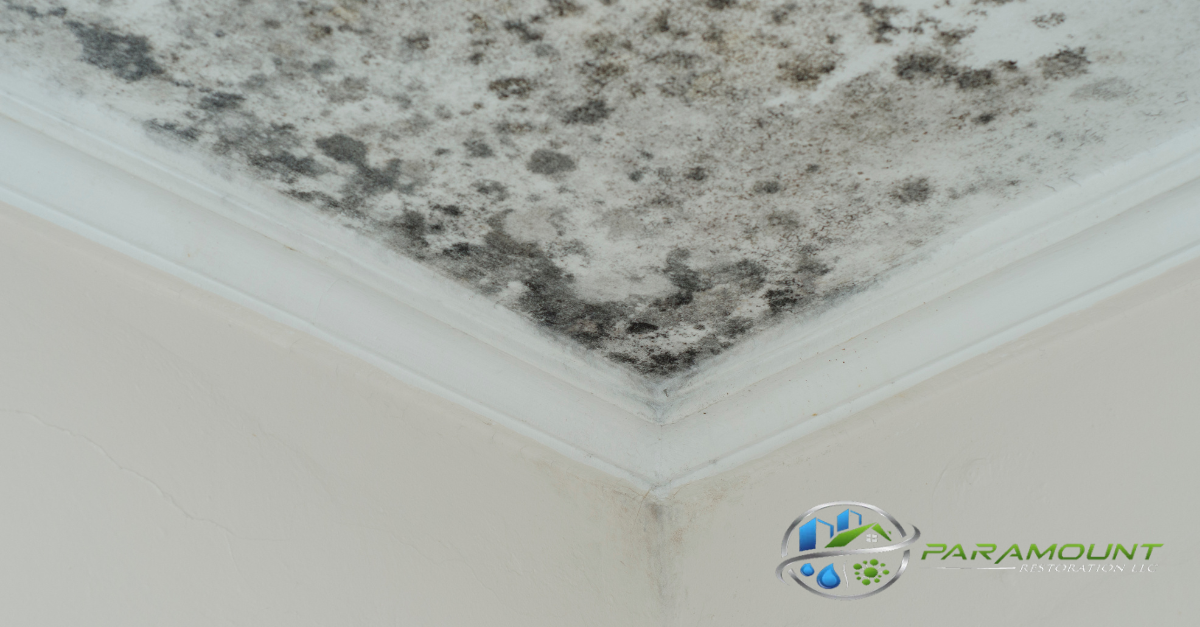
And in rare cases, toxic mold species like Stachybotrys chartarum (black mold) can produce mycotoxins that cause more severe symptoms, including neurological problems and immune system suppression.
Signs You Might Have a Mold Problem
Mold often hides in plain sight—or just out of sight. Watch for these common signs that indicate a mold issue might be growing in your home:
Persistent musty odor, especially in basements or bathrooms
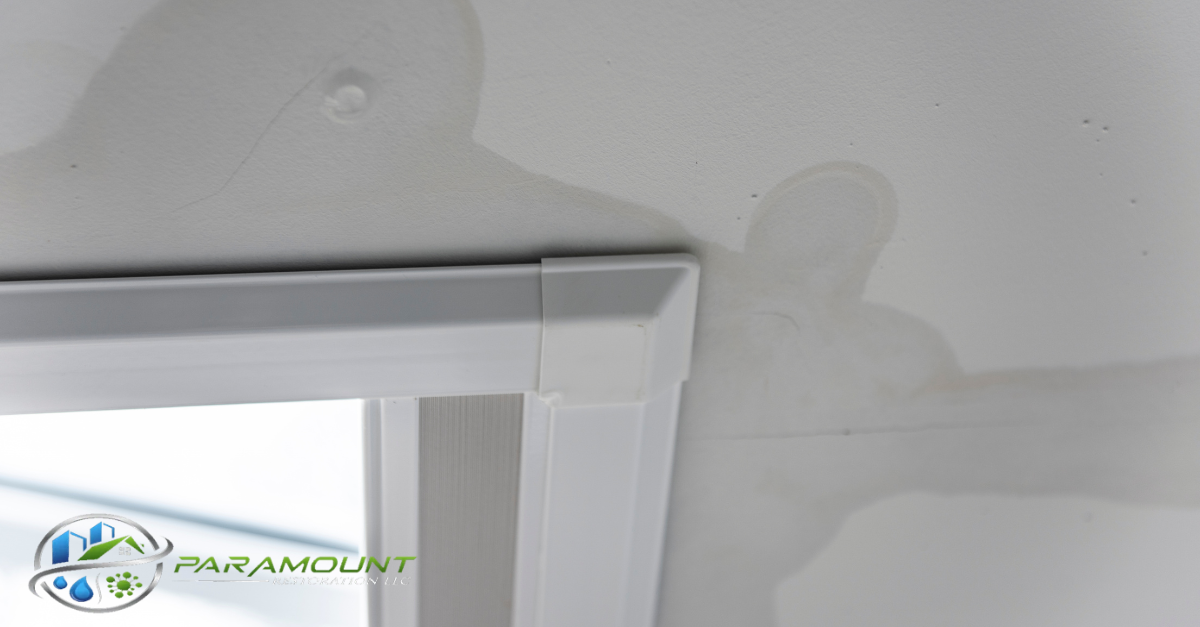
Dark stains or discoloration on ceilings, walls, or floors
Peeling wallpaper or bubbling paint
Warping wood or soft drywall
Unexplained respiratory symptoms that improve when you leave home
Recurring water leaks or signs of past flooding
If any of these signs appear, don’t ignore them. Even a small leak or faint smell can point to a bigger problem behind the walls.
Why DIY Mold Removal Doesn’t Work
Many homeowners attempt to remove mold themselves with household cleaners or bleach. While this may remove some surface mold, it doesn’t address the root cause—or the mold that’s likely growing in unseen areas.DIY efforts can actually make things worse by:
Releasing more spores into the air during cleaning
Driving mold deeper into porous materials
Failing to identify hidden colonies
Missing structural damage from water intrusion
Additionally, using the wrong equipment or failing to contain affected areas can expose you and your family to harmful spores during cleanup.
When to Call a Professional Mold Remediation Company
Professional mold remediation companies are trained and equipped to safely and effectively remove mold from your home—at the source.Here’s when you should call in the pros:
Visible mold growth larger than 10 square feet
Recurring mold after previous DIY cleanings
Water damage that wasn’t professionally dried within 48 hours
Mold in HVAC systems or ductwork
Mold in hard-to-access places, like inside walls, crawlspaces, or insulation
Health symptoms that may be mold-related and aren’t improving
Professional mold remediation includes:
Inspection and testing Using moisture meters, thermal imaging, and lab testing if needed to identify the extent of mold growth.
Containment Sealing off affected areas with negative air pressure and physical barriers to prevent cross-contamination.
Removal Safely removing mold from surfaces and disposing of contaminated materials like drywall or carpet.
Cleaning and air scrubbing HEPA-filtered vacuums and air scrubbers remove lingering spores from surfaces and air.
Drying and prevention Addressing moisture issues through drying, dehumidification, and repairs to prevent mold from returning.
Ideal Timing: Why Mold Prevention and Remediation Is a Seasonal Priority
Certain times of the year increase the risk of mold growth, making early detection and action even more critical.
Spring and summer: Increased humidity, rainy weather, and storm runoff can lead to leaks, flooding, and excess indoor moisture.
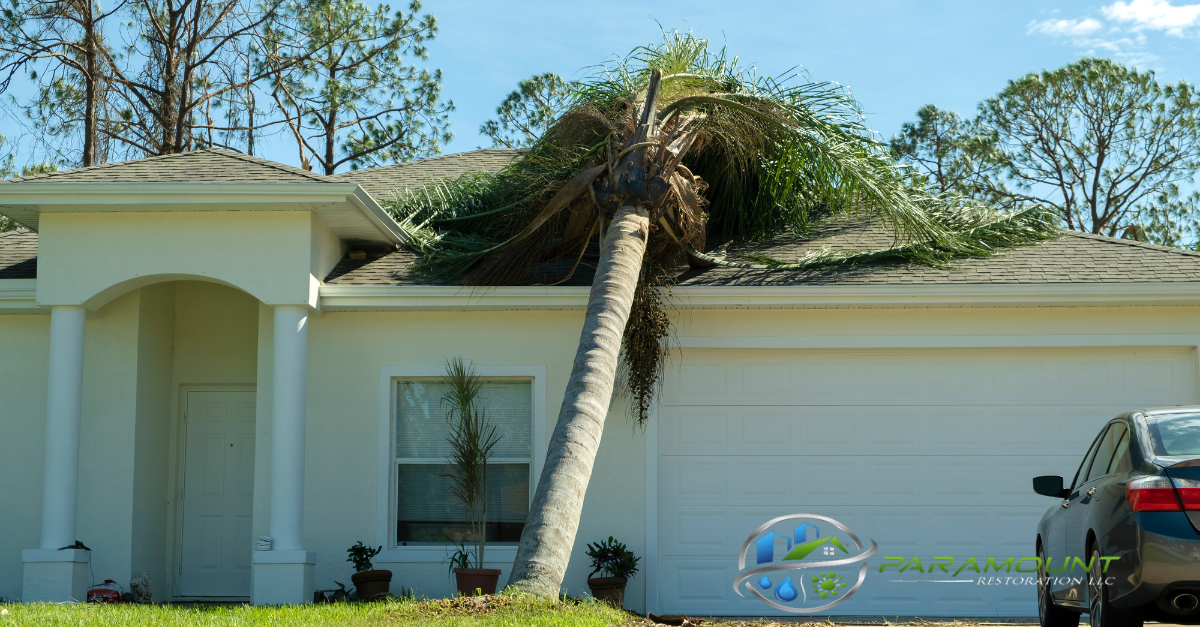
Post-hurricane season: Even mild storms can damage roofs or windows, creating hidden leaks and damp conditions ideal for mold growth.
Winter: Condensation from tightly sealed homes or malfunctioning humidifiers can lead to mold in windowsills or basements.
Pro tip: After a storm or flood, schedule a professional inspection even if you don’t see visible damage. Mold can hide for weeks or months before showing symptoms—by which time the cost of cleanup is significantly higher.
Final Thoughts: Your Health Is Worth the Call
Mold isn’t just unsightly—it’s unhealthy and potentially dangerous. Protecting your home and your family means staying vigilant, especially after water damage or humid weather. If you notice signs of mold or suspect hidden issues, don’t wait.Professional mold remediation is an investment in your health, your home’s value, and your peace of mind.Need help now? Contact us and let our certified experts restore your home to a healthy, mold-free environment. 📞 Call Paramount Restoration today at 859.525.2379